
Harley-Davidson Street 750 Recalled In India

  • Harley-Davidson has been contacting owners of the Street 750 for a check-up.
  • The faulty brake callipers will be replaced free of charge.
  • The issue affects Street 750s manufactured from 2016 onwards.
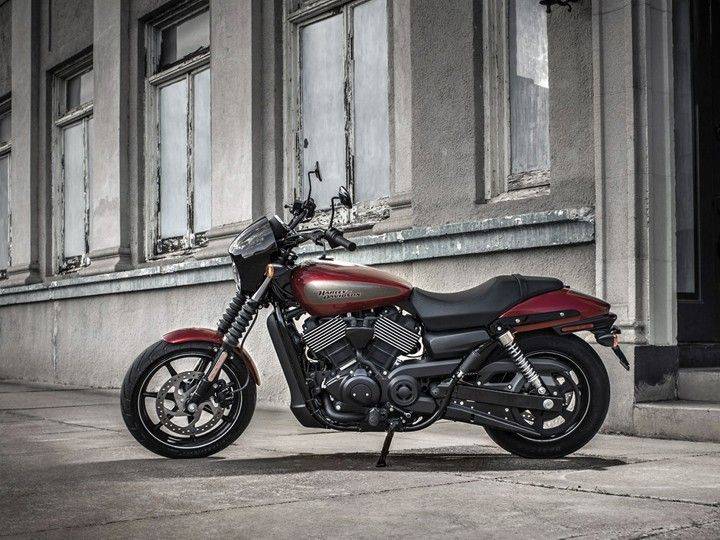
Harley-Davidson Street 750 RecallHarley-Davidson India has issued a silent recall for all Street 750 models manufactured from 2016 onwards. The Milwaukee-based manufacturer has cited faulty brake callipers as the reason behind the latest recall. Globally, nearly 44,000 units of the Street series (both 750 and 500) have been affected by this issue and the manufacturer is working on rectifying it as soon as possible.
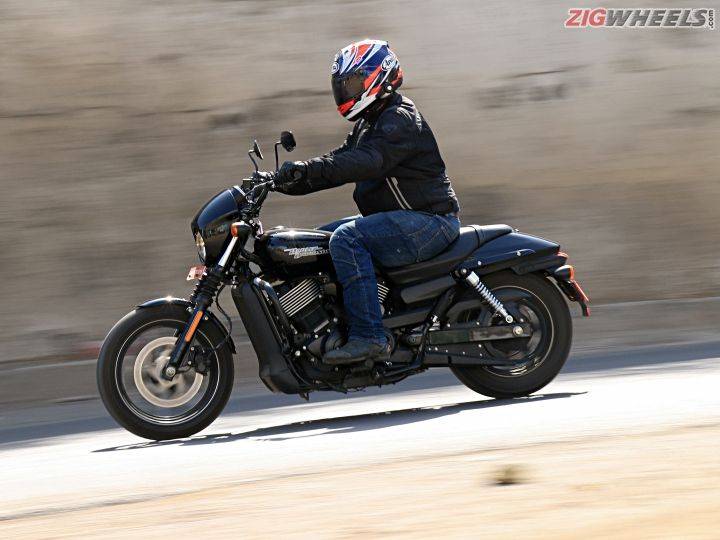
Also Read: Harley-Davidson Street 750 recalled in India
In India, the Street 750 is the gateway into the Harley family. But the manufacturer has faced severe backlash in the past for issues related to the brakes. Back in 2016, owners complained of severe brake fade and the callipers wearing off too soon, which resulted in a couple of accidents. This time around the issue is not that severe, but nevertheless Harley does not want to take any chances. The company has said that the brakes could drag due to brake calliper piston bores that are prone to corrode quickly. Increased drag could affect the bike’s stability and increase the risk of a crash, it added. The company has contacted owners of Street 750s that were manufactured from 2016 onwards.
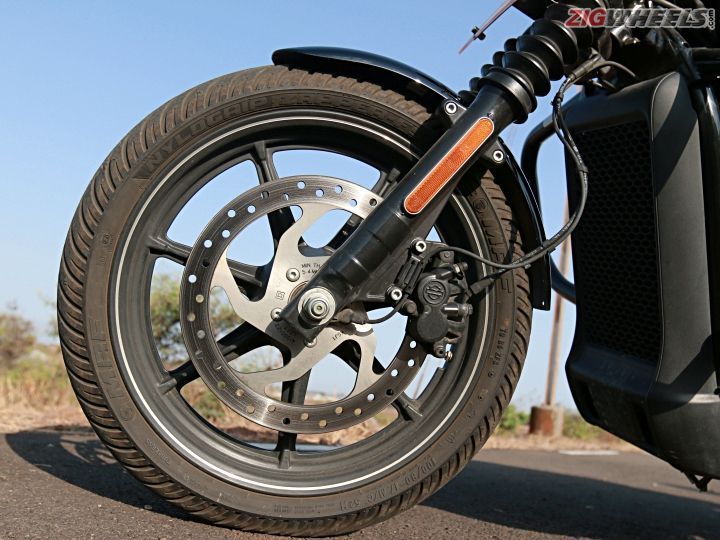
Harley-Davidson Street 750 Recall
Also Read: Harley-Davidson Recalls Over 2.3 Lakh Motorcycles Worldwide
While we did speak to officials from Harley-Davidson India, they do not have an exact figure of how many Street 750s have been affected by the latest recall. However, they have us that the check-up process is underway and if any issues are found, the faulty brake calliper units will be replaced free of charge. This isn’t the first time Harley-Davidson has recalled the Street 750. Back in 2015, the manufacturer recalled the entry-level cruiser for a faulty seal in the fuel pump.


from ZigWheels http://bit.ly/2RrBdUp

Comments

Popular posts from this blog

Honda Forza 350 All You Need To Know

  Honda has launched its new Forza 350 maxi-scooter in Thailand . The Forza 350 is the replacement to the Forza 300 and gets a larger motor. Here’s what you need to know about this new maxi scooter.    Revised bodywork: At first glance, the Honda Forza 350 looks similar to its predecessor. However, its body panels have been reworked.. Honda claims the new bodywork is more aerodynamic than before. It is 109 mm shorter and 2kg heavier than before, at 185kg (kerb). Its 147mm ground clearance is 3mm taller while the 11.7-litre fuel tank now holds 200ml more fuel. Seat height remains an accessible 780mm. The new Forza 350 maxi-scooter looks less sporty and more premium.    Gets better features: The Forza 350 continues to get the Forza 300’s features with some improvements and additions. It continues to use an electrically-adjustable windscreen which now has 150mm of height adjustability. That is 40mm more than before. The previous mobile charging socket...

Breaking Down BS6 Carburettors And Fuel Injection Explained

  It’s now been nearly 4 months since BS6 emission norms came into effect, and almost all the bikes and scooters sold in India have been updated to meet the stricter regulations. Most recent among these to receive the updates was the TVS Scooty Zest BS6 , which was launched a couple of days ago at Rs 58,640. Like all the BS6 updates we’ve seen so far, this new version is more expensive than its BS4 predecessor, by around Rs 6,000 in this case. And the biggest reason behind these price hikes is the addition of a fuel-injection system. So what exactly is it? And how did bikes work before fuel-injection came into the picture? Let’s take a look: To understand why a fuel-injection (FI) system is needed, we first need to understand its predecessor: the carburettor. Both FI and carburettors do the same job: mixing air and fuel in the correct proportions before it’s sent into the engine. The diagram above shows a carburettor’s layout. Air enters at the top, flows through a narrow con...

Yamaha FZ 25 BS6 Vs Suzuki Gixxer 250 BS6 Vs Bajaj Dominar 250 Spec Comparison

  Watch Video Review     The 250cc motorcycle space has been the centre of attention for most manufacturers in the last couple of years. Yamaha laid the foundation for the segment with the FZ 25 which  brought forth new players like the Suzuki Gixxer 250 , Bajaj Dominar 250 and the much more expensive KTM 250 Duke . Having said that, the FZ 25 has been missing from the fight for a while now thanks to the country switching to BS6 emission norms and the delays due to the COVID-19 pandemic. But it’s now back with a BS6-compliant engine! And here’s how it fares against its rivals on paper. Engine: Specifications Yamaha FZ 25 BS6 Suzuki Gixxer 250 BS6 Dominar 250 BS6 Engine 249cc, single-cylinder, air cooled, 2-valve engine 249, single-cylinder, oil-cooled engine 248.77cc, single-cylinder, liquid-cooled, 4-valve engine Power 20.8PS @ 8000rpm 26.5PS @ 9300rpm 27PS @ 8500rpm Torque 20.1Nm @ 6000rpm 22.2Nm @...